
Fence Repair in Englewood, New Jersey
Leaning posts, gate frames that have racked, and storm-damaged panels corrected by the crew that builds fences across Bergen County.

- Serving Englewood
- Since 2006
- Common Repairs
- Heaved posts, racked gates
- Materials
- Wood, vinyl, chain link, iron
Englewood is one of the older municipalities in Bergen County, and its fences show it. A large share of the fencing we are called out to repair here was installed decades ago, which means the wood is often twenty or thirty years old and the footings were set to a standard that no longer holds up against the way the ground freezes now. When a homeowner on the East Hill calls us about a gate that will not latch, the cause is almost never the gate.
City Fence LLC has repaired and installed fencing throughout Englewood and the surrounding Bergen County communities since 2006. We work in wood, vinyl, chain link, aluminum, steel and wrought iron, which matters here because Englewood's housing stock mixes period iron frontage on the older properties, cedar privacy runs through the residential blocks, and newer vinyl systems on homes that have been rebuilt or renovated. This page explains what actually fails on Englewood fences, what it takes to fix it properly, and how to know whether repair is the right call at all.
What Actually Fails on Englewood Fences
The repairs we make in Englewood cluster into a handful of categories, and they repeat because the underlying conditions repeat. The East Hill and the streets running toward the Palisades sit on sloped ground, so runoff moves quickly and collects at the base of fence posts where the grade flattens. That water saturates the soil around a footing, freezes, and lifts it a fraction of an inch at a time until the post is visibly out of plumb.
On the flatter blocks closer to downtown, the failure pattern is different. Here the issue is usually rot at the fastener line, where a nail or screw penetrates the rail and gives moisture a place to sit. Over years that small entry point becomes a soft spot, then a split, then a rail that sags away from the post. Add mature street trees whose roots heave the ground around a fence line, and you have the three most common calls we get in this town: a leaning post, a sagging rail, and a gate that has stopped working.
Posts, Footings and the Bergen County Frost Line
Every fence repair conversation in Northern New Jersey eventually comes back to post depth. Frost penetrates well below the surface in a typical Bergen County winter, and any footing set above that line is subject to being pushed upward by the expanding ground around it. This is why a fence can look perfectly straight for eight years and then, after one hard January, develop a lean that never goes away on its own.
Our repair standard is to remove the failed post, excavate a new hole below the frost line, widen the bottom of the hole so the concrete keys into undisturbed soil, and set the new post in concrete rather than packed earth. That is more work than bracing a post or driving a sleeve alongside it, and it is the only approach that stops the same post from moving again. Where a run of several posts has heaved together, we check the whole line and reset the affected posts as a group so the fence stays visually straight from the street.
Gates: The Part You Notice First
A gate is the hardest-working element of any fence. It is the only part that moves, it carries the whole frame's load on two hinges, and it is the part every visitor touches. That is why gate problems are usually reported as the fence problem, even when the fence itself is fine. A gate that drags on the ground, will not latch, or swings open on its own is telling you that the frame has racked, the hinge plates have worn, or the post it hangs from has moved.
We diagnose in that order. First we check the hanging post for movement, because rehanging a gate on a post that is still shifting accomplishes nothing. Then we check the frame for square, adding or replacing diagonal bracing when the stiles have started to parallelogram. Then we address hardware, replacing tired hinges with heavier-rated units and resetting the latch strike so the gate closes cleanly at the right point in its swing. A properly repaired gate should close with one hand and stay closed under wind.
- Failed gate post reset in a new footing below the frost line
- Frame re-squared with new or replaced diagonal bracing
- Hinges upgraded to hardware rated for the gate's actual weight and width
- Latches, strikes and self-closing mechanisms adjusted or replaced
- Gate swing checked against grade and patio or driveway transitions
Tree Roots, Storm Damage and Older Iron
Englewood has a mature tree canopy, and that canopy is a mixed blessing for fencing. Roots lift the ground along an established fence line, heaving footings and cracking concrete curbing around planting beds. When we replace a post near a major root, we shift the footing location slightly rather than cutting the root away, since severing a structural root can destabilize a tree that is older than the fence.
Storm damage is the other recurring call. A solid privacy fence catches wind like a sail, and a panel that is already loose at the rail will be the first section to go. Where a section has come down we rebuild it to match the surrounding fence rather than patching it with a mismatched panel, and we inspect the adjacent posts and rails, because the section that failed is often the weakest link in a run that has several weak links. On wrought iron and older steel fences, storm damage shows up as a broken weld or a hinge plate pulling away from the frame, both of which we repair in place.
Repair or Replace? An Honest Read for Older Fences
Englewood has a lot of fencing that is genuinely old, so this question comes up on nearly every estimate. The honest answer depends on where the failures are, not how old the fence is. If three posts in a sixty-foot run have heaved or rotted while the rest of the structure tests solid, replacing those posts and the rails they carry restores the fence for a fraction of a new installation, and it is money well spent.
Replacement becomes the better value when the failure is systemic. A cedar fence with rot at the base of every post, a vinyl fence that has gone brittle across all its panels, or a fence that was originally installed too shallow to ever hold are all cases where a repair buys you a season rather than a decade. We will tell you which situation you are in before you spend anything. If a repair will only defer the problem for a year, we would rather say so than take the job and be back next spring.
Matching Materials on Older Fences
A repair only looks right if the new material matches the old, and matching is genuinely harder on older fences. Board widths have changed, profiles have been redesigned, and any stain or paint has weathered to a tone that a fresh board will not match out of the box. Before we order anything we measure the existing picket width, spacing, rail dimension and post size, and we note the finish so the new section can be brought into line with the rest of the run.
Vinyl is the trickier case because manufacturers discontinue colors and profiles over time. When an exact match is not available, we say so up front rather than hoping you will not notice, and we either use the closest available profile positioned where the difference is least visible or replace a full bay between two posts so the change reads as a deliberate design decision rather than a patch. For painted and stained wood, we match the finish on site so the repaired section weathers in with its neighbors.
Pool Barrier and Property Line Requirements
Englewood properties with pools have a specific set of requirements to satisfy, and pool fencing is one of the repair categories where doing it wrong has real consequences. New Jersey requires a barrier of a minimum height with limits on ground clearance beneath it, and gate hardware that is self-closing and self-latching, with the latch positioned out of a small child's reach. A gate that no longer closes on its own is not a minor inconvenience; it is a code issue.
Height and setback rules for fences vary between municipalities, and Englewood regulates both fence height and placement relative to property lines. If your repair or replacement touches a property line, we flag it during the estimate so you can confirm the survey before any excavation happens. Where a fence is being rebuilt in the same footprint as the original, the work is usually straightforward, but it is always worth confirming before a post hole is dug in the wrong place.
What a Repair Visit Looks Like
We start with an on-site inspection rather than a phone diagnosis, because the visible symptom rarely identifies the actual cause. We check every post in the affected run with a level, probe the material where it meets the ground, check the gate frame for square, and look at the rails for separation at the fasteners. That inspection produces a specific list of what has failed and what is still sound.
From there you get a written explanation of what failed and why, plus a quote that separates the repair work from any optional items. Most residential repairs are completed in a single visit. Where a post needs a new footing, the concrete needs time to cure before the fence is loaded again, so we plan the sequence so you are not left with an open hole or a fence panel propped against a tree overnight.
What It Costs and Why
Repair pricing in Englewood is driven by three things: how many posts need replacing, how much material has to be matched, and access. A single failed post reset in a new footing is a contained job. A run of six posts with rotted rails, in a back yard that has to be reached by carrying material through a side gate and down a slope, is a substantially larger one, and the quote will show you which line items are driving the number.
We do not publish flat rates because they would be misleading on property lines this varied. Instead we quote after seeing the site, break the work into clear line items, and tell you plainly when a repair is not worth doing. If you are weighing repair against replacement on an older Englewood fence, ask us for both options at the estimate and we will price them side by side so the comparison is on paper rather than in your head.
Fence Repair for Englewood properties
Fence repairs, restoration and post replacement that bring a failing fence back to square and solid. Read the full fence repair page for materials, methods and detailed answers.
Fence RepairEnglewood questions
What we build in Englewood
We handle the following work for Englewood homeowners and businesses. Each service has its own page with materials, process and code details.

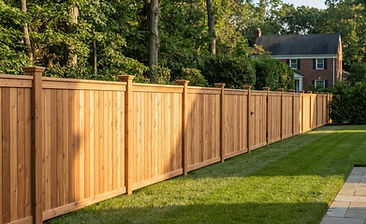 01
Fence Installation
We install durable, custom-built fences tailored to your property, style, and functional needs.
View Service
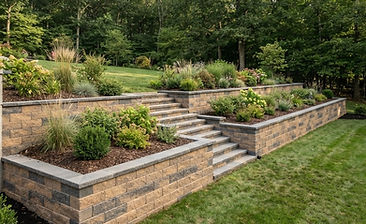 02
Retaining Walls
Retaining wall construction designed to control erosion, support landscaping, and improve the structure and appearance of outdoor spaces.
View Service
 03
Brick Pavers
Brick paver installation for patios, walkways, and driveways, offering strength, functionality, and a clean finish.
View ServiceRelated work in neighboring towns
Hackensack, NJ
Bergen County
Custom fence installation in Hackensack, from privacy runs to pool barriers, built on footings that hold.
Teaneck, NJ
Bergen County
Fence repair in Teaneck: leaning posts reset properly, gates re-hung, and storm damage matched to the original.
Ridgewood, NJ
Bergen County
Exterior construction across Ridgewood: retaining walls, driveways, sidewalks and pavers, built on real base and drainage.
Schedule an on-site visit
We come out, walk the property, check the grade and measure the actual dimensions before quoting. Serving Englewood and the rest of Bergen County since 2006.
Fence Repair in Englewood, done properly
Tell us what you are building, repairing or replacing in Englewood. We will walk the property, measure the actual run and give you a written quote with no obligation.